
Concrete pool decks in Kent WA - a deck that can shift without pushing on your pool edge
Old deck cracked, sinking or pushing on the pool edge? We pour a new slab with a flexible joint that gives the edge room.
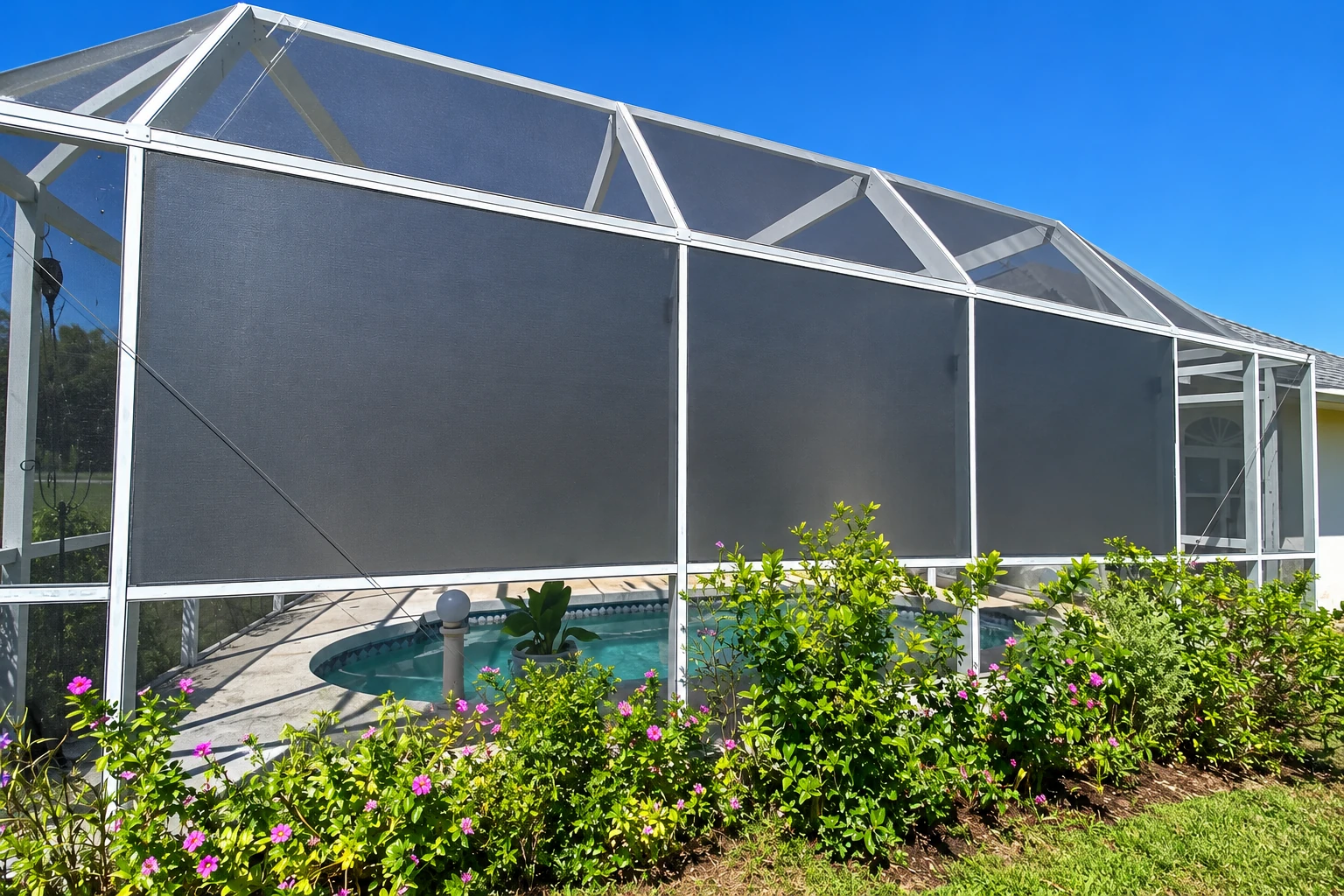
How should a concrete pool deck meet the pool?
A concrete pool deck is the slab poured around your pool. It's kept apart from the pool's edge, called the coping, by a gap and a flexible sealant, so the deck can move without pushing on the pool itself. On concrete pool decks in Kent, WA, that joint and the base under the slab decide how well the deck holds up.
If your old deck has cracked, sunk on one side or is shoving against the pool, the edge is usually where it went wrong. With no gap there, every bit of deck movement pushes on the coping and the bond beam, the thick band of concrete along the top of the pool wall, and that's how you get cracks and spalling, which is concrete flaking off in chips. That holds whether the deck is poured concrete, stone or pavers, so it's fair to ask every bidder how they build that joint. The price moves with the deck's size, how much old concrete has to come out, how much digging and packing the base needs and how easy it is to get into your backyard. The schedule turns on clearing the old deck, the cure before anyone walks on the new one and the wait before the joint gets sealed. I measure all of that when I come out, and your written estimate lists each part of the job.
How we build a concrete pool deck
I start by measuring the deck area and walking the site, because the layout decides everything after it. If there's an old deck, we break it out and haul it off. Then we dig past the loose dirt and pack the subgrade, the ground the slab sits on, so the deck doesn't settle with soft fill underneath it. We set the forms, lay rebar, the steel that holds the slab together if it does crack, and leave a gap at the pool edge so the new concrete stays off the coping. Then we pour and finish the surface. We cut control joints, shallow grooves that give the slab a planned place to crack instead of a random one, and let it cure, which is the wait that lets the concrete gain strength before you walk on it. Later, once the deck has settled in, we fill that gap with a flexible sealant so the deck can shift without bearing on the coping, and I'll show you what to look for each year. If your budget is tight, I'd rather trim the surface than the base, because nobody sees the base on the day we pour and it's what decides whether the slab stays put.
A pool deck often runs into other work around the yard. If the deck sits higher or lower than your back door, we can build concrete steps that meet it. If you're adding a pool house or a shed for the pump and filter, we also do slab foundation building, and we lay it out at the same visit so the levels line up.
Why Kent homeowners call D&L Kent Concrete Construction for pool decks
I measure every site myself
I come out for the estimate myself to measure and walk the site, and then our crew does the work while I run the job. That means the person who measured your deck is the one checking the forms before the pour.
In the concrete business since 2013
I started this business in 2013, after I left an office job for work I could stand back and look at. Most of our calls come from people who care how a slab is measured and built underneath, and that's the work we're known for.
Fully licensed and insured
We're fully licensed and insured. Washington requires every construction contractor to register with L&I, the state Department of Labor & Industries, and to be bonded and insured, so ask anyone bidding on your deck to show you they are.
Kent permits handled for you
We check which city or county office covers your address, take care of the permit when your job needs one and keep you posted on where it stands. In Kent, building permits and permits for residential work come from the City of Kent Permit Center, which you see by appointment.
On a pool deck, I look at the edge joint and the base first, whether you're in Kent, Renton, Federal Way, Tacoma or another city nearby. Call (253) 398-9060 or send us a request with the deck's rough size in square feet and a few photos of the pool edge.
Get a written estimate for your pool deck
We reply within one business day, and the estimate is free, done on site and comes with no pressure and no obligation. I come out myself to measure the deck area and walk the site. Then you get the estimate in writing with each part of the job listed.
Concrete around the pool
Questions before you build a concrete pool deck
Why does a pool deck need a gap at the pool edge?
The gap lets the deck move on its own, so it isn't pushing on the coping and the top of the pool wall. That pushing is what causes the cracking and flaking covered above. Industry guides also warn against filling the gap with sand or polymeric sand, because sand doesn't compress and passes the deck's movement straight to the coping.
How long after pouring a pool deck can you seal the expansion joint?
One coping maker's installation guide says the joint caulk on a poured deck goes on at least 30 days after the pour, to allow for the concrete's first curing and shrinkage. Plan on sealing the joint as a separate step after the deck is in. It's a later step on our jobs too.
How often does a pool deck expansion joint need new caulk?
Check the joint every year, and repair or replace the caulk whenever it cracks, pulls away or breaks down. Most elastomeric caulks, the stretchy kind, last five to ten years, so it's worth setting money aside for a reseal down the road. The yearly check I walk you through is how you catch it early.
What does a concrete pool deck cost near Kent, WA?
A concrete pool deck in the Seattle area usually costs about $7 to $14 per square foot. Where your deck lands in that range depends on its size, the old concrete that has to come out and the work the base needs. Have a rough square footage ready, and I'll price your deck on site.
What causes a concrete pool deck to flake?
Flaking, which the trade calls scaling, often traces back to too little entrained air, an overworked surface or poor curing, according to one engineering presentation, and the same presentation also lists early exposure and deicing salt. Entrained air is a network of tiny, evenly spread bubbles that gives the concrete room to relieve pressure as it freezes. The presentation also advises skipping deicers for the first winter, or at least for 2 to 3 months, and protecting the slab with a silane or siloxane sealer.
How do I check a concrete contractor in Washington?
Look them up with L&I's contractor lookup, which shows a contractor's active registration and any past violations. It also shows the general liability insurance a contractor is required to carry, and L&I says that insurance may cover you if the contractor damages your property.
Other work around the pool
- Concrete steps construction
If your pool sits below the back door or the yard changes level, new concrete steps can tie into the deck so the walk out to the water stays solid.
- Slab foundation building
Planning a pool house, cabana or equipment shed beside the deck? A slab foundation gives that building a packed base and a level slab built to carry its walls.